
If you are planning a beach stay in Guanacaste, one question comes up surprisingly fast: what should you actually eat? Most visitors arrive for the surf, the sunsets and the dry tropical landscapes, then realize they also want to taste the place. The tricky part is that in a relaxed coastal area it can be hard to tell real, everyday Costa Rican cooking from menus built mainly for tourists.
This is a local-style guide to the best Costa Rican food worth seeking out in and around Playa Grande, with specific, named restaurants and sodas we send guests to, plus practical tips for bringing those flavors back to your villa. Whether you are curious about gallo pinto, wondering what a casado looks like, or just want satisfying meals close to the beach, you will leave here knowing exactly what to order and where.
What makes Costa Rican food in Guanacaste different?
Costa Rican cuisine is built on balance rather than excess. Meals center on rice, beans, corn, fresh cheese, plantains, vegetables and simply prepared meats or seafood. The seasoning is aromatic and savory rather than aggressively spicy, leaning on cilantro, onion, sweet pepper, garlic, lime and the beloved Salsa Lizano for depth and brightness.
In Guanacaste, that national food culture meets a strong ranching and corn-based heritage. The region is known for hearty, rustic dishes tied to the land: hand-formed tortillas, chorreadas, tanelas, fresh white cheese, grilled meats and slow, comforting preparations. Along the coast near Playa Grande you also get fresh fish, ceviche and Pacific seafood. So the best answer to “what is the best Costa Rican food?” is not just a list of famous dishes – it is understanding how everyday food works here: a breakfast that fuels the morning, a lunch that feels complete, and dinners as simple as grilled fish by the sea or as elevated as a chef-prepared meal in your villa.
The best Costa Rican dishes to try in Guanacaste
Gallo pinto
For many visitors, gallo pinto becomes the flavor memory that follows them home. It is a breakfast staple of rice and beans cooked together with onion, pepper, cilantro and seasoning, usually served with eggs, tortillas, natilla, plantains or fresh cheese. Humble but deeply satisfying savory, aromatic, soft with a little texture, it is ideal before a surf session or beach walk. Every household and soda has its own version, but in Guanacaste a good gallo pinto tastes like the breakfast people actually eat, not one made for visitors.
Casado
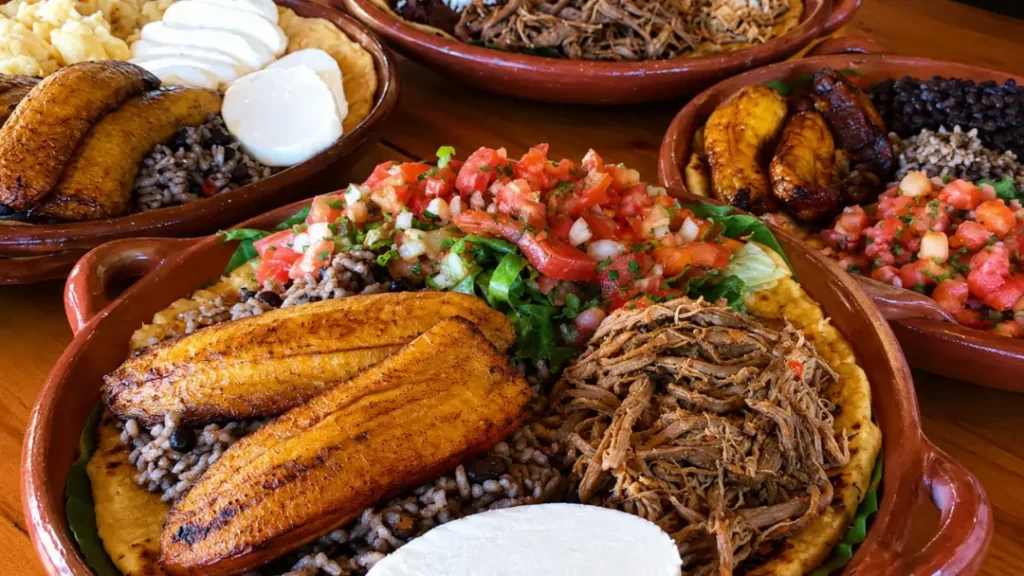
A casado is the single best way to understand everyday lunch in Costa Rica. The classic plate includes rice, beans, salad, plantains and a protein chicken, fish, beef, pork or eggs and some versions add pasta, vegetables, cheese or picadillo. The appeal is not presentation; it is variety, balance and abundance on one plate. In a beach town where menus skew international, ordering a casado is the simplest way to eat authentic local food without overthinking it.
Ceviche
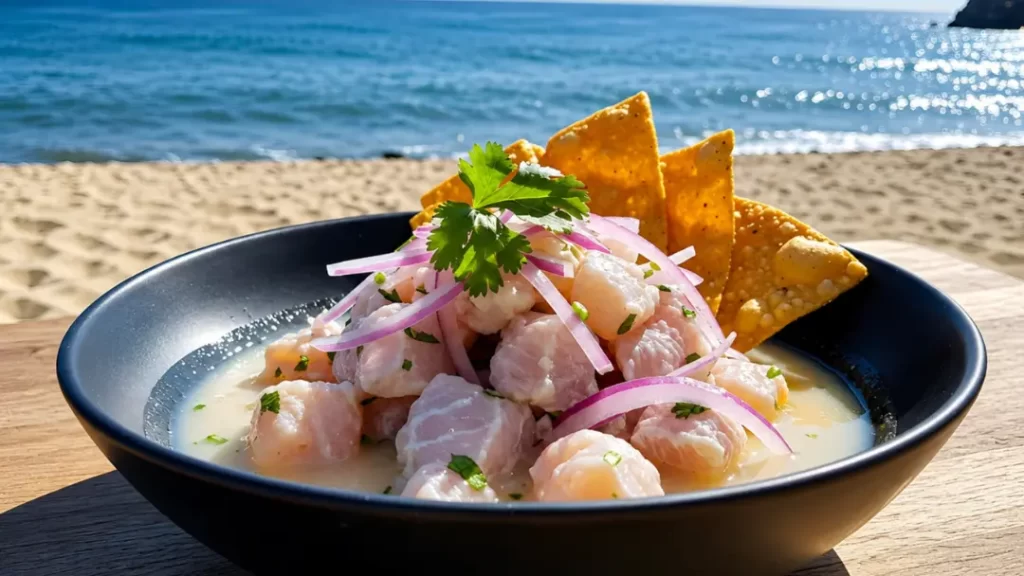
Along the Pacific coast, ceviche is one of the smartest things to order on a warm afternoon. Costa Rican fish ceviche is typically prepared with lime juice, onion, cilantro and sweet pepper, often served with crackers or plantain chips. It is bright, refreshing and perfect after time in the sun and near Playa Grande it is the dish that best connects coastal ingredients with local eating habits.
Chifrijo
Chifrijo is a beloved bar and casual-dining dish: rice, beans, chicharrón and fresh toppings like pico de gallo and avocado. Rich, salty, crunchy and satisfying, it is often shared over drinks at sunset. Not exclusive to Guanacaste, but a fun, social way to experience Costa Rican food.
Patacones and plantains
Plantains appear in many forms, but patacones, twice-fried green plantain rounds, crisp outside and soft inside are especially easy to love, often served with beans, guacamole, ceviche or a savory topping. Sweet ripe plantains add caramelized softness to casados and breakfast spreads.
Guanacaste tortillas, chorreadas and corn specialties
Guanacaste has a strong corn tradition, and this is where the region feels most distinct. Fresh tortillas are thicker, more fragrant and more central to the meal than many visitors expect. Chorreadas—rustic corn pancakes—are a local favorite, often enjoyed with natilla or cheese. Simple foods, but they reveal the agricultural roots of the province.
Arroz con pollo, olla de carne and home-style classics
Depending on where you eat, you may also find arroz con pollo, hearty soups or slow-cooked meat stews that feel more home kitchen than restaurant trend. These are worth trying when available—generous, practical, family-style cooking meant to nourish rather than impress.
Where to eat near Playa Grande: our local picks
The best food experiences here come from mixing different kinds of places. Lean only on polished tourist restaurants and you miss what locals actually eat; chase only the cheapest option and you miss good seafood and atmosphere. The sweet spot is variety. Below are specific spots we recommend to guests, grouped by what you are in the mood for. Hours change seasonally, so it is always worth a quick check before you go.
Local sodas for breakfast, gallo pinto and casados (€)
- Soda Buffet El Estero (Tamarindo, 4.9★ from 400+ reviews) is a small owner-run soda where the chicken casado and generous portions get singled out again and again; it is cash only and closed Sundays, open daytime hours.
- Soda La Ventana de Tamarindo (4.5★) is a family-run roadside spot that regulars call some of the best gallo pinto in town, with a memorable house chili-salsa and easy vegetarian options, open early from around 6 AM.
- Right in Playa Grande, Pots & Bowls (4.6★ from 400+ reviews) does a fresh, locally sourced Costa Rican breakfast and well-executed pinto, open daily from early morning.
In Playa Grande, close to the villas (€–€€)
- Cafe Mar Azul (4.6★ from 500+ reviews) sits in a quiet beachside neighborhood and is a reliable pick for a casado with tilapia, fresh fish and a sunset happy hour, closed Tuesdays.
- For dinner, La Forja Flame & Sea (4.9★) focuses on grilled meats and seafood with chimichurri and regular live music; it opens midday and is closed Tuesdays.
Authentic Costa Rican cooking and seafood in Tamarindo (€–€€)
A short drive opens up far more options.
- El Tucan by Doni (4.9★ from 500+ reviews) is a tucked-away spot for comida típica: chifrijo, pollo en salsa and a homemade hot sauce. Open daily into the evening.
- Rural Tamarindo (4.6★) builds “create your plate” casados that work well for groups, plus fresh ceviche and shrimp, in an open-air setting.
- For something more elevated, Tropic Tamarindo (4.9★ from 600+ reviews) reinterprets Costa Rican cuisine. Its daily-catch ceviche with coconut is a standout and runs cooking and mixology classes; reservations recommended.
- For sunset seafood, El Pelicano (4.7★, dinner only) is known for ceviche, tuna tartar and snapper, while
- Pangas Tamarindo (4.6★ from 1,000+ reviews) pairs fresh fish with a memorable beach setting for a special-occasion dinner.
How to choose a good restaurant in Guanacaste
Look for clarity rather than hype. Menus that include regional staples, staff who can explain local dishes, and a mix of local and visiting diners are all encouraging signals. Freshness matters most with seafood. Timing matters too: lunch is often the best moment for traditional plates, while dinner can lean more international in beach towns. Rather than chasing one “best” restaurant, think in categories. The best breakfast soda is rarely the best sunset seafood place, and the best local lunch is rarely the best special-occasion dinner. Match the restaurant to the experience you want and you will eat better.
Common food mistakes travelers make in beach towns
The easiest mistake is assuming authentic food will always be obvious. Some visitors spend days eating only burgers, pizza and generic vacation fare, then leave saying they never found local cuisine. A second issue is waiting until everyone is tired and hungry to decide where to eat, which in a more remote beach area leads to rushed choices or long drives. If food matters to your trip, identify a few breakfast, lunch and dinner options early. Finally, many travelers overlook that their best meal may happen at home: after a day in the sun, coordinating transport can feel like work, and a relaxed meal at the villa is sometimes the more memorable experience especially for families and groups.
Can you find vegetarian food in Guanacaste?
Yes, more easily than many travelers expect. Traditional cooking is built on naturally vegetarian-friendly ingredients: rice, beans, plantains, corn, fresh cheese, vegetables, avocado and salads. Gallo pinto is often vegetarian, and a casado can frequently be made with eggs, cheese, vegetables or beans instead of meat. Beach-area cafes and restaurants tend to have broader menus too, so the key is to ask clearly and, for a more authentic experience, request traditional dishes without meat rather than defaulting to imported comfort food.
Is food expensive in Costa Rica?
It depends on where and how you eat. Casual local meals at sodas are the most budget-friendly way to eat well, while upscale beach restaurants, imported ingredients and cocktails add up quickly. In a destination like Guanacaste, convenience and location also affect pricing, especially in high-demand tourist areas. A reliable strategy: eat local breakfasts and lunches out, be selective with dinners, and if you are traveling as a group stay somewhere with a kitchen so you can balance restaurant meals with food prepared at home.
Recreating Guanacaste flavors at your villa
One pleasure of a villa stay is that your food experience does not have to end at the restaurant. Fresh-fruit breakfasts, coffee on the terrace, simple ceviche-style lunches and rice-and-bean meals all bring the local mood into your daily routine. Even a casual spread of tortillas, cheese, avocado, beans and plantains feels connected to the region when enjoyed slowly after a morning at the beach. If you like to cook, start with the spirit of the cuisine rather than overcomplicating it: focus on freshness, balance and a few well-chosen ingredients like rice and beans, lime, cilantro, onion, sweet pepper, fresh fish, plantains, eggs and local-style condiments will take you far.
And if you want the flavors without the planning, shopping, prep or cleanup, this is where a more elevated villa experience becomes appealing. Through the concierge services at Grande Vacation Rentals, guests can explore options that make dining feel easier, more local and more personal.
Why a private chef can be the best food experience of your trip
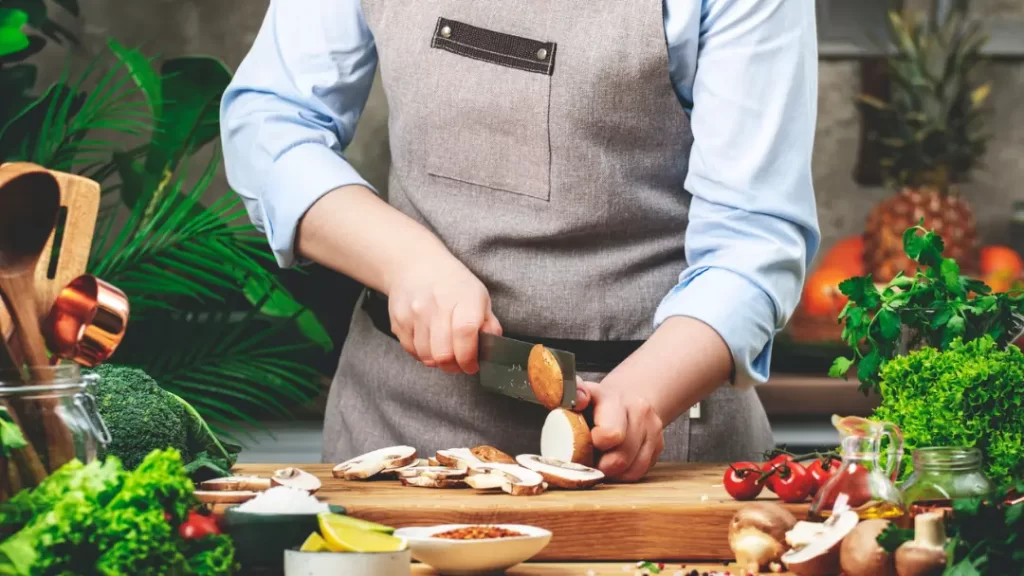
For travelers who care about food but do not want every meal to become a logistical project, a private chef is a practical middle ground between restaurant-hopping and self-catering. It is a chance to enjoy the flavors of Guanacaste in a relaxed setting, with dishes tailored to your group, dietary needs and schedule. That is especially valuable if you are staying in a quieter beach area, traveling with children, celebrating something special, or simply craving one memorable night in. Instead of coordinating reservations and transport, you get a meal that feels intimate and rooted in place whether that is a breakfast inspired by gallo pinto, a seafood-focused dinner, or a menu that introduces regional ingredients with intention.
Final thoughts on the best food in Guanacaste
The best way to experience Costa Rican food in Guanacaste is to stay curious, keep it simple and seek out meals that feel lived-in rather than overproduced. Order gallo pinto at breakfast, a casado for lunch, ceviche near the coast, and make room for the corn-based specialties that give Guanacaste its character. A great food trip here is not about chasing trends – it is about flavor, context and the pleasure of eating in rhythm with the place.
If you are staying with Grande Vacation Rentals and want to turn that curiosity into an even more memorable experience, bring the region to your table. Add a Private Chef to Your Villa Stay →
FAQ: Costa Rica food in Guanacaste
What is the best Costa Rican food to try?
Start with gallo pinto at breakfast, a casado for lunch, and fresh ceviche near the coast. Together these three give you the clearest picture of everyday Costa Rican cooking. In Guanacaste, add the region’s corn-based specialties, thick fresh tortillas and chorreadas for local character.
What is the most popular food in Costa Rica?
Gallo pinto is widely considered the most popular and recognizable dish in Costa Rica. It is a rice-and-beans dish eaten most often at breakfast and is a staple of everyday life.
What is gallo pinto made of?
Gallo pinto is made of cooked rice and beans sauteed with onion, sweet pepper, cilantro and seasoning. It is commonly served with eggs, tortillas, cheese, natilla or plantains.
What is a casado in Costa Rica?
A casado is a traditional plate that typically includes rice, beans, salad, plantains and a protein such as chicken, fish, beef, pork, eggs or a vegetarian substitute. It is one of the easiest ways to try a complete local meal.
Is food expensive in Costa Rica?
Food can be affordable or expensive depending on where you eat. Local sodas usually offer the best value, while tourist-oriented and upscale coastal restaurants cost more. Mixing casual local meals with occasional special dinners is the best approach.
Can you find vegetarian food in Guanacaste?
Yes. Many traditional ingredients are vegetarian-friendly, including rice, beans, plantains, corn, cheese and vegetables, and it is often possible to request vegetarian versions of local dishes especially in beach towns and larger dining areas.